

 admin
admin 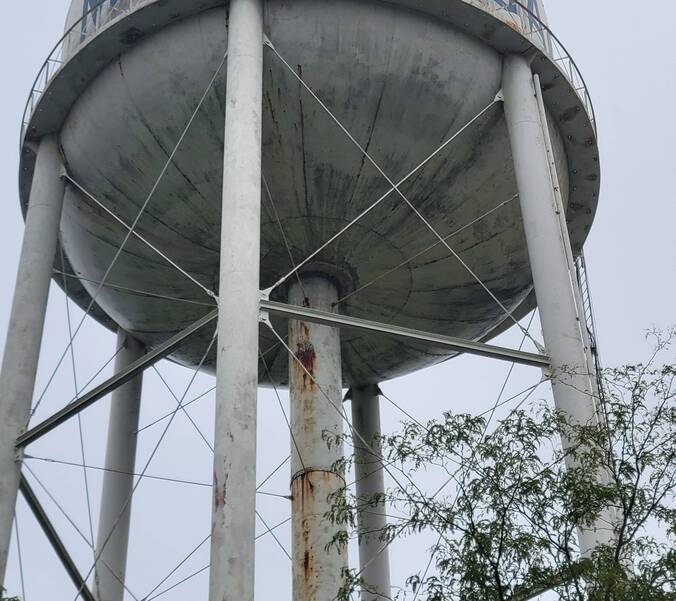
Municipal water towers are long-life assets, but their protective coating systems often determine how frequently maintenance—and major expenditures—are required. Engineers and public works departments typically rely on epoxy or polyurethane paint systems, which provide corrosion protection but often require periodic recoating due to UV degradation, environmental exposure, and wear.
As infrastructure budgets tighten and lifecycle cost planning becomes more critical, many municipalities are evaluating coatings that have a biocide, including PVC plastisol systems such as Cocoon 550, as a potential long-term alternative.
The Challenge with Traditional Coating Systems
Epoxy coatings are widely used for water tanks because of their strong chemical and abrasion resistance. However, they are susceptible to UV degradation, which causes surface chalking and gradual thinning of the protective film when exposed to sunlight—particularly relevant for elevated water towers.
Even when properly applied, coating systems require ongoing inspection and maintenance planning. Asset management guidelines emphasize that scheduled inspections and periodic recoating are necessary to prevent corrosion and extend service life, which adds to long-term operational costs.
Some high-performance coating systems can extend maintenance cycles, but lifecycle analyses show that coatings with longer service lives significantly reduce repaints, shutdowns, and labor costs over time.
This has led many engineers to evaluate thicker encapsulating coatings that prioritize longevity over minimal upfront material cost.
What Makes PVC Plastisol Coatings Different
PVC plastisol coatings form a thin, flexible polymer barrier rather than a thin paint film. These coatings are widely used in industrial and architectural applications where UV resistance, corrosion protection, and moisture sealing are required.
Products such as Cocoon 550 are formulated to create a flexible, waterproof skin capable of withstanding temperature extremes, substrate movement, and environmental exposure.
Compared with conventional coatings, plastisol systems offer several engineering advantages:
1. Thick Encapsulation Protection
Unlike film paints, plastisol coatings create a robust barrier that isolates steel from oxygen and moisture—two key drivers of corrosion.
2. Flexibility and Crack Bridging
Rigid coatings can become brittle over time. Flexible coatings are better suited for thermal expansion and contraction, which is common in elevated steel structures.
3. UV and Weather Resistance
PVC-based coatings are designed for outdoor durability and resistance to UV radiation, reducing degradation over long exposure periods.
4. Reduced Maintenance Cycles
Coatings engineered for long service life reduce recoating frequency, mobilization costs, and operational downtime, which are often the largest expenses in water tower maintenance.
Application and Project Efficiency Considerations
Traditional repainting projects frequently require:
- Full scaffolding or containment systems
- Abrasive blasting
- Multi-coat application schedules
- Weather-dependent cure windows
These requirements significantly increase project cost and complexity.
Barrier coating systems like plastisol coatings may allow simplified access methods (e.g., lifts or cranes) and reduced coating layers, depending on surface conditions and engineering specifications. This can shorten project timelines and reduce total project disruption.
Lifecycle Cost Perspective for Municipal Buyers
For municipal procurement teams, initial coating cost is only one component. The larger financial drivers typically include:
- Mobilization and demobilization
- Scaffolding and containment
- Labor and engineering oversight
- Water service disruptions
- Environmental compliance
- Future recoating cycles
High-performance coatings with longer lifespans reduce the number of full repainting projects required over decades. Lifecycle studies show that longer-lasting coatings reduce labor, material usage, and shutdown frequency, improving total cost of ownership.
This lifecycle approach is increasingly used in asset management planning for elevated storage tanks and other municipal infrastructure.
Engineering Considerations Before Selecting a System
Every tower and environment is different. Engineers evaluating alternative coating systems should consider:
- Existing coating condition
- Surface preparation requirements
- Environmental exposure (coastal, industrial, etc.)
- NSF / potable water compliance (if applicable)
- Access constraints
- Structural movement
- Expected maintenance interval goals
A lifecycle-based specification—rather than a lowest-bid repaint cycle—often produces the best long-term value.
Why This Matters for Municipal Infrastructure
Water towers are designed to last 50+ years structurally. However, coating systems that require recoating every decade create repeated capital expenditures.
Moving to a longer-life encapsulating coating strategy can:
- Reduce maintenance frequency
- Lower lifecycle cost
- Minimize service disruption
- Improve corrosion protection
- Extend structural lifespan
- Improve long-term budgeting predictability
For municipalities managing multiple towers, these savings compound significantly over time.
Final Thoughts
As infrastructure funding becomes more constrained, municipalities are shifting from short-term repaint cycles to lifecycle-based coating strategies. Advanced barrier coatings, including PVC plastisol systems like Cocoon 550, offer a compelling alternative for engineers seeking durability, reduced maintenance, and long-term value.
Evaluating coating systems through a 30-year lifecycle lens—rather than upfront cost alone—can dramatically change the economics of water tower maintenance.
 Aircraft Mothballing
Prev post
Aircraft Mothballing
Prev post
Recent Comments